

Process Overview
What is a Gas End?
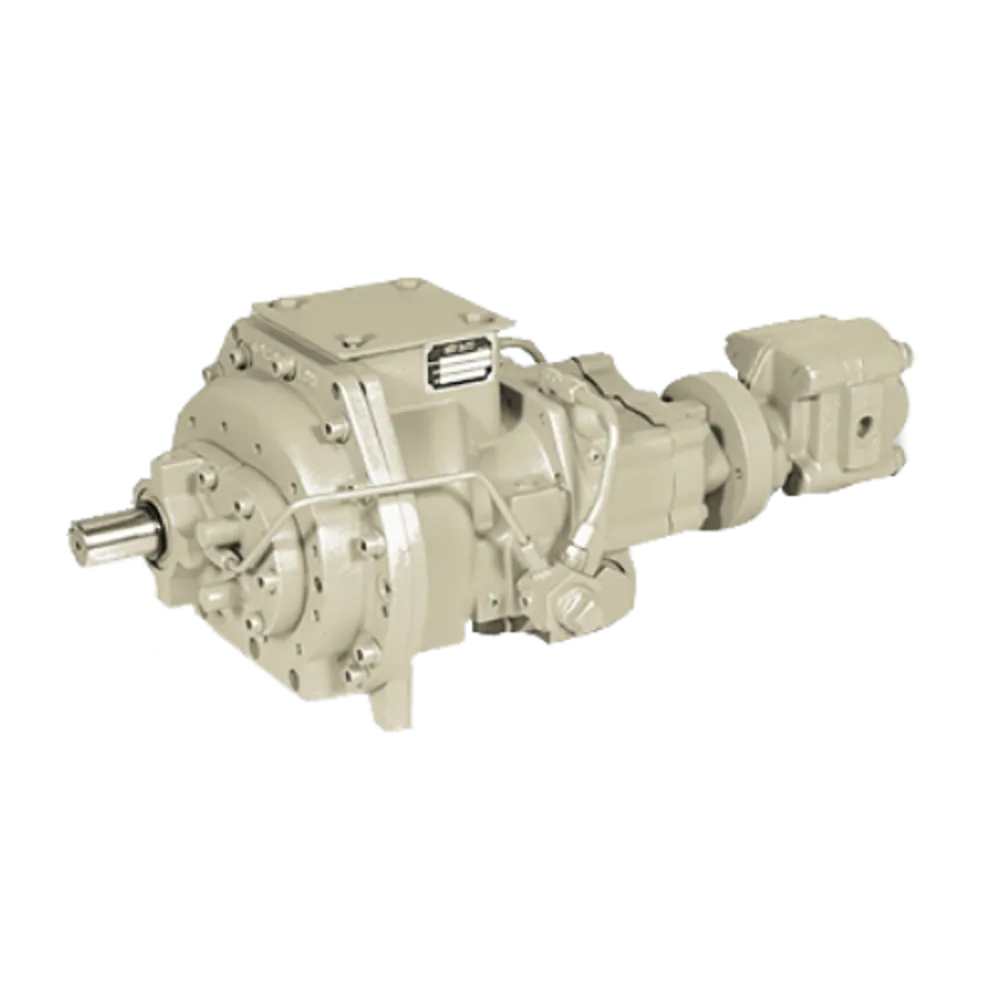
A gas end is a component of a gas compressor where the actual compression of the gas takes place. In the context of a natural gas compressor, the gas end is the part that handles the intake, compression, and discharge of the natural gas. It is the business end of the compressor, where the physical work of compressing the gas occurs. A natural gas compressor functions to increase the pressure and decrease the volume of natural gas for efficient storage and transportation. This process is essential for packing more gas into storage tanks or bottles and for distributing the gas through pipelines over extended areas. To ensure the gas is suitable for compression, it must be filtered and processed to remove impurities such as moisture and particulates.
Benefits
High Efficiency Compressor Block: This component is designed to maximize energy efficiency, ensuring that the compressor operates at peak performance while minimizing energy consumption. This leads to lower operational costs and a smaller environmental footprint.
Heavy Duty Construction: Built to endure harsh conditions, these compressors are robust and reliable. Their durable construction makes them ideal for demanding applications in the oil and gas industry, where equipment must withstand tough environments.
Integral Gearing: This feature enhances the efficiency and smooth operation of the compressor. Integral gearing reduces energy losses and ensures that the compressor runs smoothly, contributing to overall performance and longevity.
Wide Range of Flows: Ingersoll Rand compressors are versatile, capable of handling various flow rates. This flexibility makes them suitable for a wide range of applications, from field gathering to vapor recovery, ensuring that they can meet the specific needs of different operations.
Specifications
| Flow Rate (m3/h) | 235-18000 |
| Operation Pressure (Barg) | Up to 34 |
| Power (kW | 15-600 |
Reviews
There are no reviews yet.